The Future of Non-Invasive Ventilation

An alternate interface to provide non-invasive ventilation and CPAP prioritizing comfort and patient tolerance
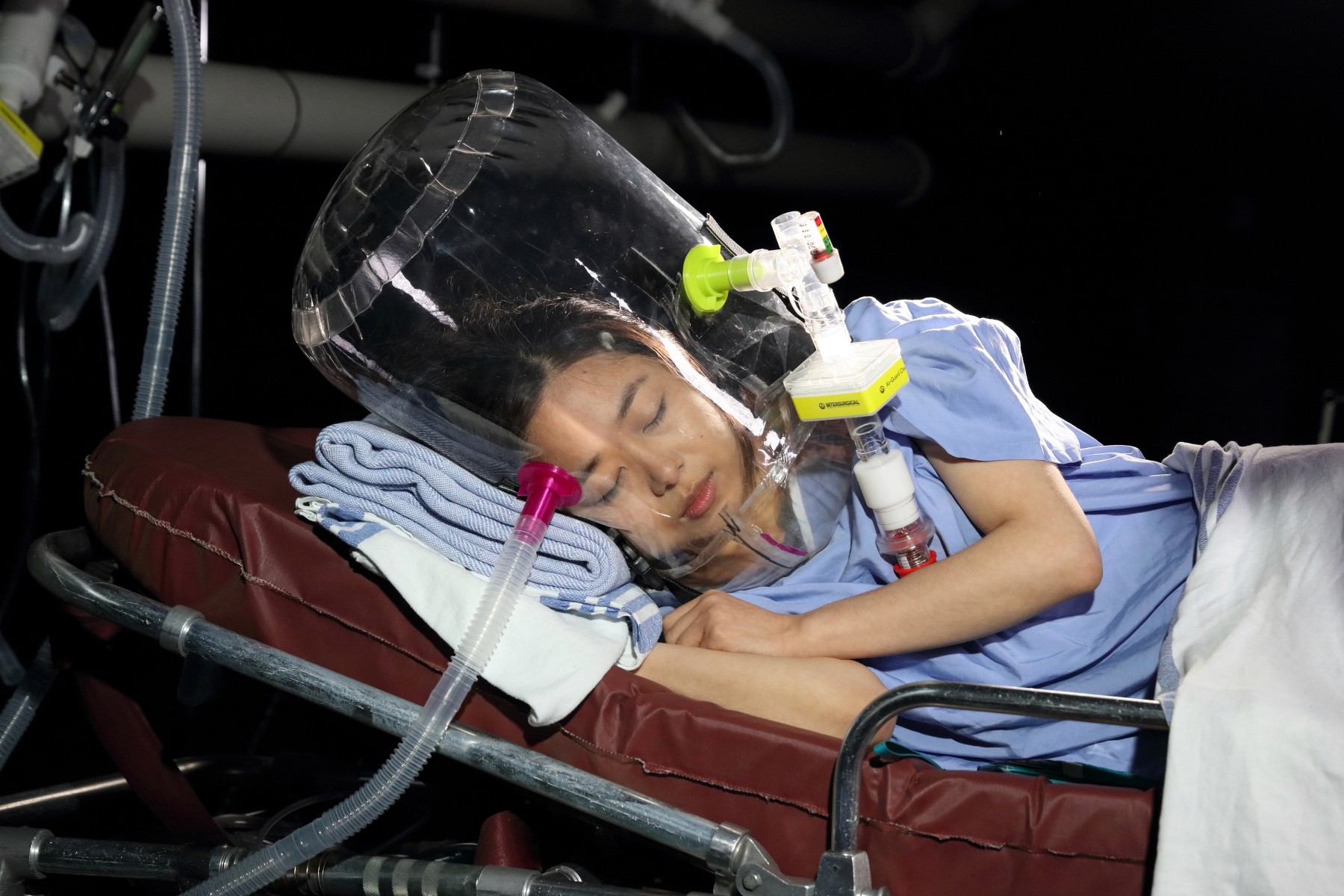
The Clarivent Bubble Helmet is designed for both non-invasive ventilation (NIV) and CPAP therapy, providing an alternative to traditional masks.

Freedom to live your way.

Our mission is to create turning points that empower patients worldwide by delivering leading technologies and products across the fields of respiratory care. 

Our mission is to create turning points that empower patients worldwide by delivering leading technologies and products across the fields of respiratory care. 

Our mission is to create turning points that empower patients worldwide by delivering leading technologies and products across the fields of respiratory care. 

This non-powered ventilation device encloses a patient’s head to contain oxygen delivered to the patient for breathing. Optimized for comfort and safety, the Bubble Helmet is the first flexible, single material helmet in the world. 

The Bubble Helmet design solves many issues experienced with endotracheal intubation and face mask use, and improves NIV outcomes, leading to reduced ventilation time and decreasing duration in the ICU.

Product Specifications

We aim to empower physicians to achieve their full potential without any limitations.

Delivering leading technologies and products to patients worldwide across the fields of respiratory care, ventilation and accessible technology to enhance people’s lives.
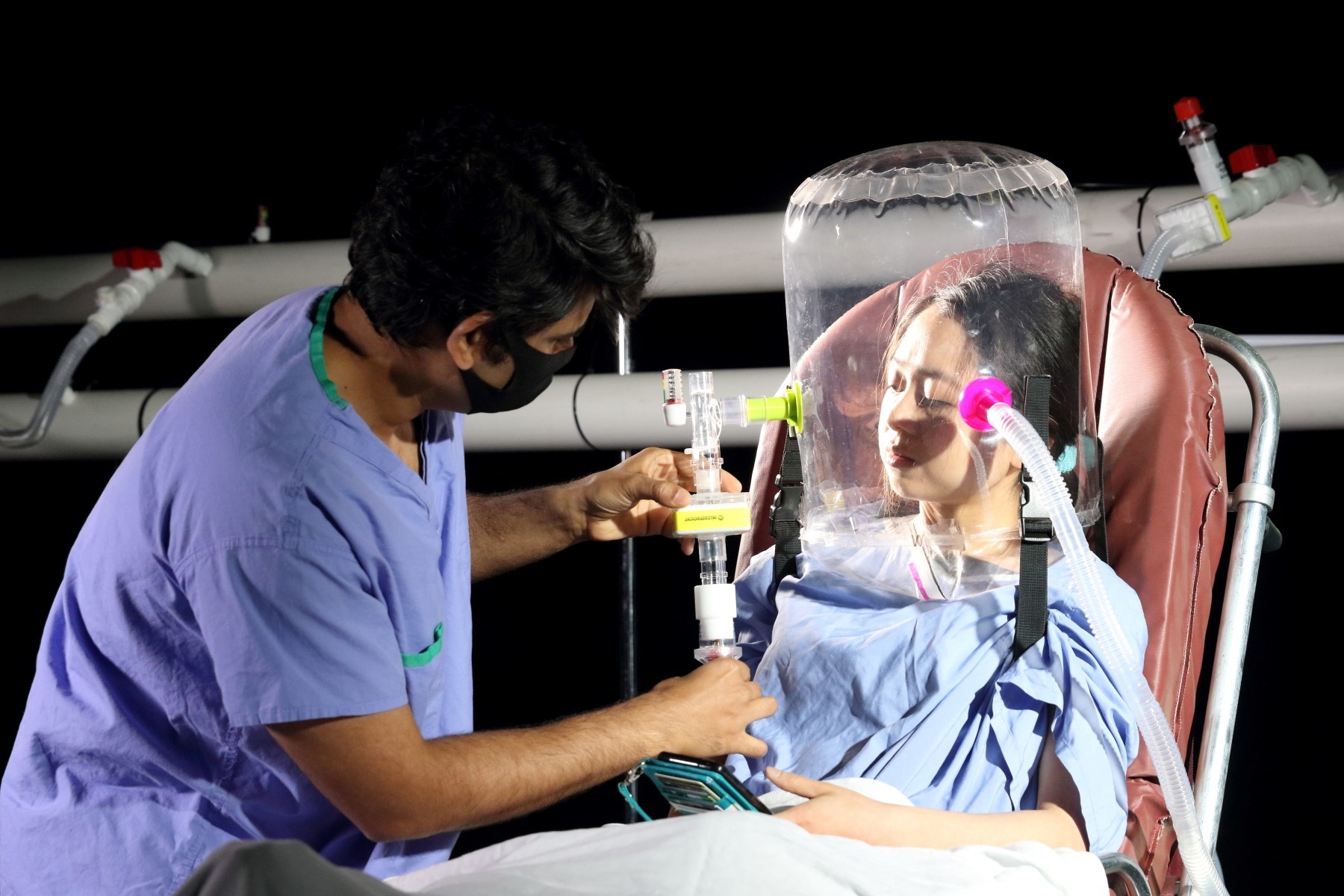
Transparent Hood

increases patient comfort allowing them to speak, listen, and interact with phones or other devices.

Transparent Hood

increases patient comfort allowing them to speak, listen, and interact with phones or other devices.

Functional ports

Ports combine anti-asphyxiation valve, monometer, and PEEP adjustmant for maxiumim safety and redundancy

Functional ports

Ports combine anti-asphyxiation valve, monometer, and PEEP adjustmant for maxiumim safety and redundancy

Flexible Neck Ring

Creates an airtight seal preventing leakage and increasing comfort

Flexible Neck Ring

Creates an airtight seal preventing leakage and increasing comfort

Shoulder Straps

Sdjustable straps and quick release buckle hold the helmet in place.

Shoulder Straps

Sdjustable straps and quick release buckle hold the helmet in place.

Advantages of Helmet Based Ventilation

Helmet based ventilation has shown to reduce intubation and mortality rates, prevent dispersal of infectious particales preventing hospital outbreaks, increase comfort and mobility for the patient, reduce NIV failue rates, minimize costs, and work with a high diversity of the patient population.

Advantages of Helmet Based Ventilation

Helmet based ventilation has shown to reduce intubation and mortality rates, prevent dispersal of infectious particales preventing hospital outbreaks, increase comfort and mobility for the patient, reduce NIV failue rates, minimize costs, and work with a high diversity of the patient population.

Advantages of Helmet Based Ventilation

Helmet based ventilation has shown to reduce intubation and mortality rates, prevent dispersal of infectious particales preventing hospital outbreaks, increase comfort and mobility for the patient, reduce NIV failue rates, minimize costs, and work with a high diversity of the patient population.

Increase comfort and mobility

non-rigid ring design is well tolerated for extended periods of ventilation and allows patients to lie supine or prone without affecting the performance of the helmet

Step 01

Increase comfort and mobility

non-rigid ring design is well tolerated for extended periods of ventilation and allows patients to lie supine or prone without affecting the performance of the helmet

Step 01

Increase comfort and mobility

non-rigid ring design is well tolerated for extended periods of ventilation and allows patients to lie supine or prone without affecting the performance of the helmet

Step 01

Reduce intubation and mortality rates

by upwards of 43% and 22% respectively, in patients with acute respiratory distress syndrome (ARDS), compared to traditional face masks

Step 02

Reduce intubation and mortality rates

by upwards of 43% and 22% respectively, in patients with acute respiratory distress syndrome (ARDS), compared to traditional face masks

Step 02

Reduce intubation and mortality rates

by upwards of 43% and 22% respectively, in patients with acute respiratory distress syndrome (ARDS), compared to traditional face masks

Step 02

Prevent dispersal of infection particles and prevent hospital outbreaks

negligible aerosolization of particles when using helmets with good neck seals

Step 03

Prevent dispersal of infection particles and prevent hospital outbreaks

negligible aerosolization of particles when using helmets with good neck seals

Step 03

Prevent dispersal of infection particles and prevent hospital outbreaks

negligible aerosolization of particles when using helmets with good neck seals

Step 03

0%

0%

Aerosol containment

Create a free website with Framer, the website builder loved by startups, designers and agencies.